
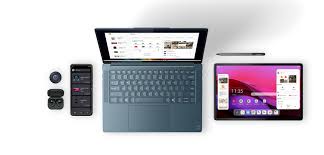
If you've ever tried to seamlessly transition a workflow from a Windows PC to an Android phone, and then to a Linux machine, you know it's a fractured nightmare. File systems behave differently, formats break, and apps don't sync. This frustration is the genesis of Omnis.
The Fragmentation Problem
Currently, the tech ecosystem forces you to use specialized apps for specific environments. You use Adobe on Windows, a random file manager on Android, and command-line tools on Linux. The lack of a unified "Swiss Army Knife" for files slows down productivity immensely.
Enter Flutter & Rust
To build Omnis, we needed a framework capable of compiling to native machine code on every major operating system without rewriting the UI logic. Flutter provided the perfect UI toolkit, allowing us to maintain a single, beautiful codebase for mobile and desktop.
However, UI isn't enough. For heavy file parsing (like converting massive PDFs or restructuring CSVs locally), we needed raw speed. By binding our Flutter frontend to a highly optimized backend, Omnis achieves native-level performance regardless of the host OS.
AI as a Universal Translator
The magic of Omnis lies in its integrated AI. Instead of just managing files, Omnis understands them. Need to summarize a 50-page PDF on your phone? Or convert an image of a receipt to an Excel table on Linux? Omnis acts as the universal bridge between your intent and your file system.